
 The Elevate Experience
Also Offering Eye Exams for Spotsylvania, Stafford & King George
The need for eyeglasses or contacts is definitely not the only reason to schedule an appointment with our optometrists. The American Academy of Optometry shares that periodic eye and vision examinations are an important part of preventive health care. Many eye and vision problems have no obvious signs or symptoms, so you might not know a problem exists. Early diagnosis and treatment of eye and vision problems can help prevent vision loss.
What Are We Looking at During an Eye Exam?
Visual acuity with and without glasses
Type and severity of vision problems, and accuracy of current vision prescription (if applicable)
Aspects of visual function – e.g., eye muscle movement, depth perception, the way the pupils respond to light
The complete health of the eyes
Signs of potential eye problems – e.g., cataracts, glaucoma, macular degeneration, diabetic eye disease
Signs of potential health problems based on the appearance of the structures inside the eye – e.g., diabetes, high blood pressure
Are Eye Exams Uncomfortable?
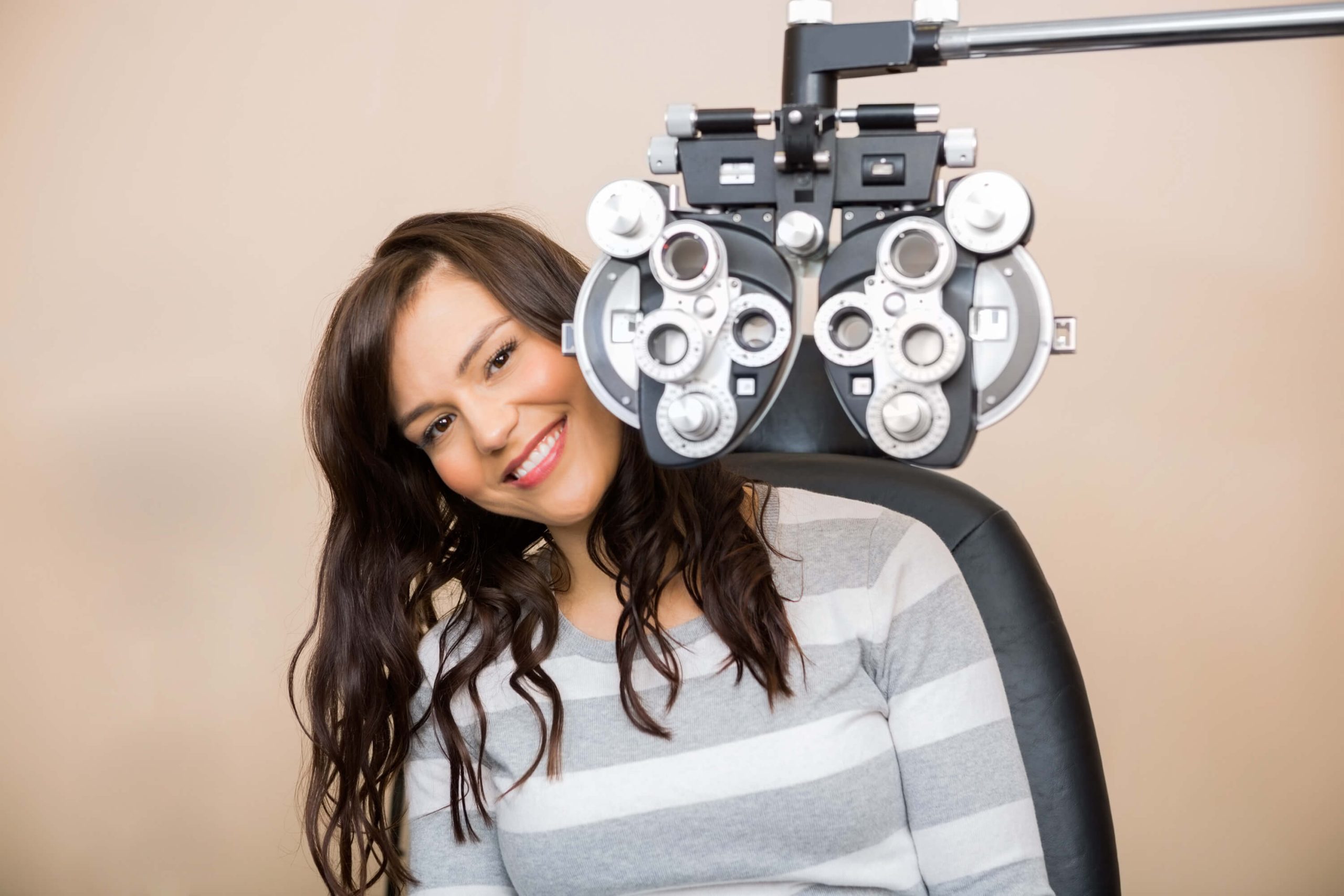
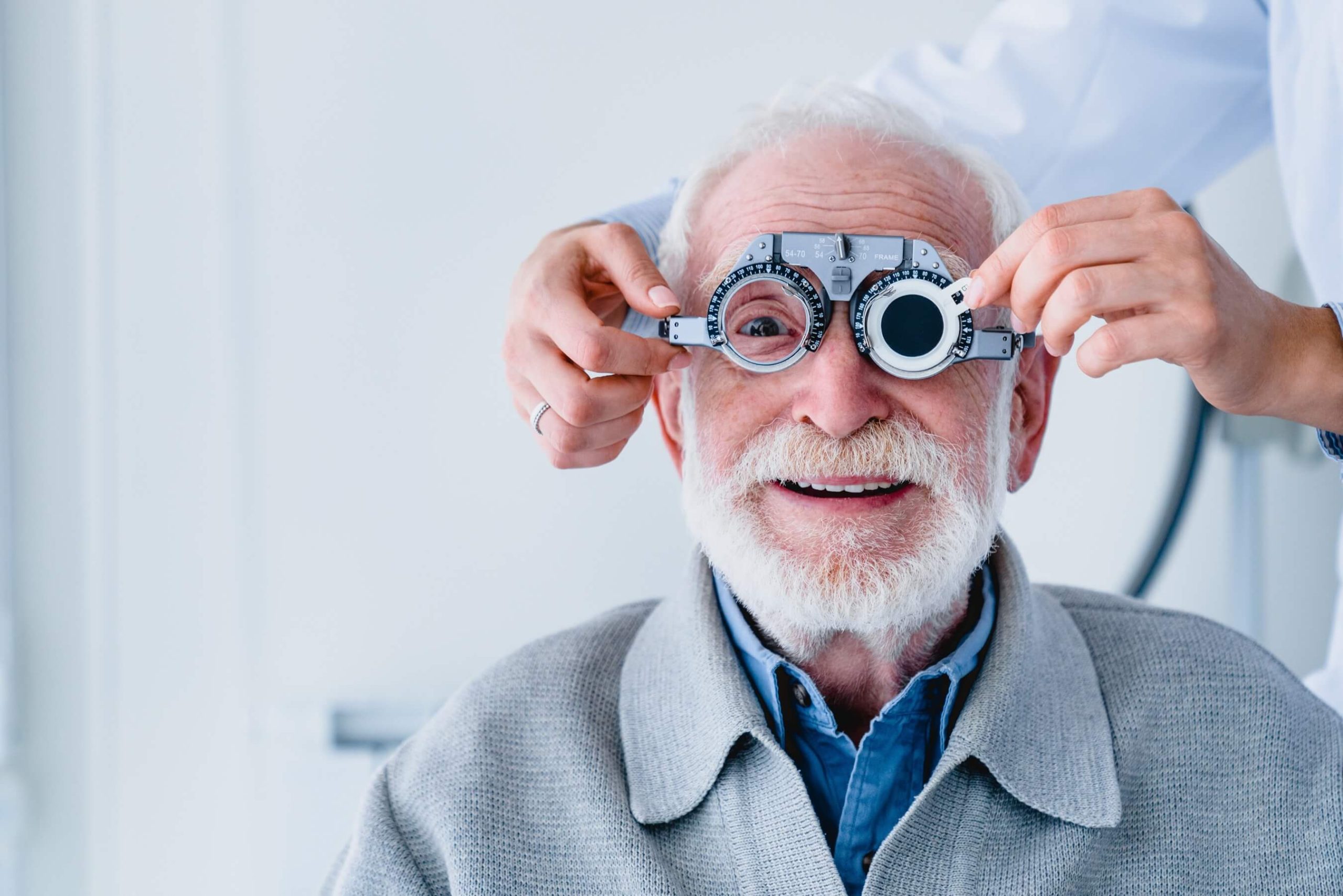
During your eye exam, bright lights may be shined at your eyes and you may be asked to look through different lenses. You might be given eyedrops with fluorescein dye to check for signs of glaucoma. These tests should not feel uncomfortable or intrusive.
Be prepared for your eyes to feel a bit sensitive to light if they were dilated during the exam. Your vision may be temporarily blurry, too. You might want to bring a pair of sunglasses to wear after your exam to minimize light sensitivity or glare. Also, you might want to arrange for someone else to drive you home from your appointment.
How Often Should You Have Eye Exams?
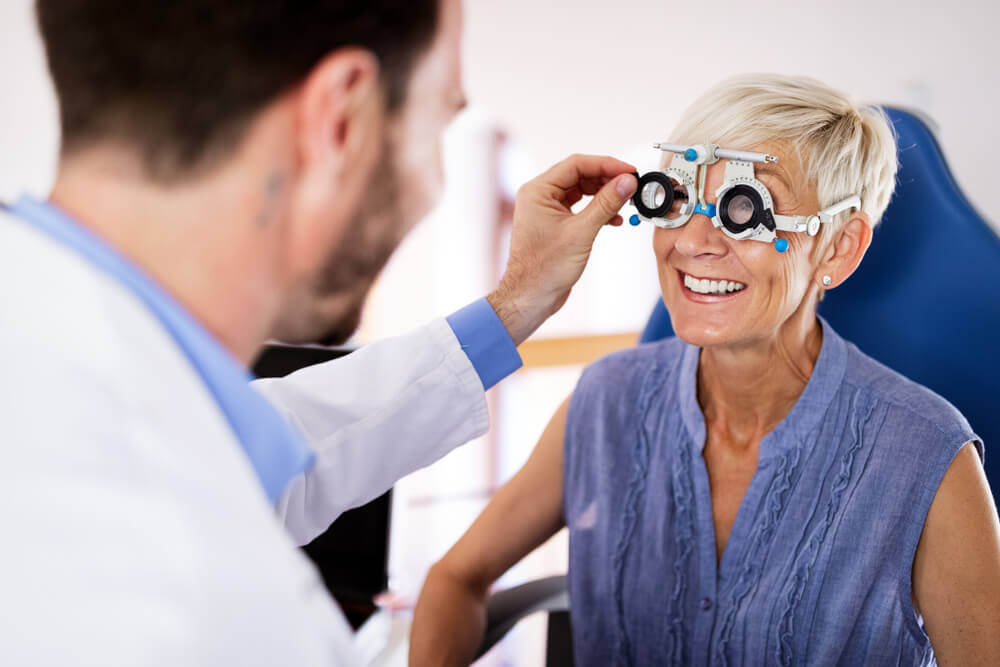
Our doctors, along with leading experts, recommend that you have a comprehensive eye exam every one to two years, depending on your age, risk factors and whether you currently wear corrective lenses. Children need regular eye exams to detect vision problems that may interfere with learning. Older adults also need frequent eye exams, as the most common causes of blindness, including glaucoma and macular degeneration, are more likely to occur with age. The Access Eye team can give you a better idea of how often to schedule exams after learning more about you and the health of your eyes.
FAQ
Do I need an eye exam if my vision is fine?
Yes, eye exams are recommended for everyone, regardless of whether you think your vision is fine.
Some vision problems develop so slowly that it is difficult to detect changes. More importantly, eye diseases like glaucoma can develop without causing any noticeable symptoms; you may not realize there is a problem until the disease has advanced to the point where it may permanently affect your vision.
Having routine eye exams with a qualified eye doctor is the best way to defend yourself from glaucoma and other diseases that can lead to irreversible vision loss.
When should I schedule my child’s first eye exam?
We recommend scheduling your child’s first eye exam around five years of age.
Can an eye exam detect eye diseases?
Yes, eye exams can detect signs of many eye diseases, including glaucoma, age-related macular degeneration, cataracts and corneal and retinal diseases.
Eye exams can also uncover problems affecting your overall health. By looking at the tiny blood vessels in your eyes, our eye doctors can detect signs of diabetes, stroke, heart disease and other serious health conditions.
Who performs eye exams: ophthalmologists or optometrists?
At Access Eye, our optometrists are trained to perform comprehensive routine eye exams. Ophthalmologists are medical doctors and surgeons. Their primary focus is the management and treatment of disease, and surgical eye procedures that include cataract surgery and laser vision correction.
How does an eye chart work?
The Snellen eye chart is used to check visual acuity, which is one component of good vision. This is the sharpness of your vision and your ability to identify objects from a particular distance. The eye chart usually contains 11 rows of letters. In the first line, the letters are very large, and with each subsequent row, the letters get smaller.
During the visual acuity check, you will stand 20 feet away from the chart and read it with one eye covered. Each line is assigned two numbers: the top number, 20, refers to the distance in feet between you and the chart. The bottom number refers to the distance at which a person with normal eyesight can read the same line of letters. The last line you can read clearly is your visual acuity for that eye.
What does dilation do?
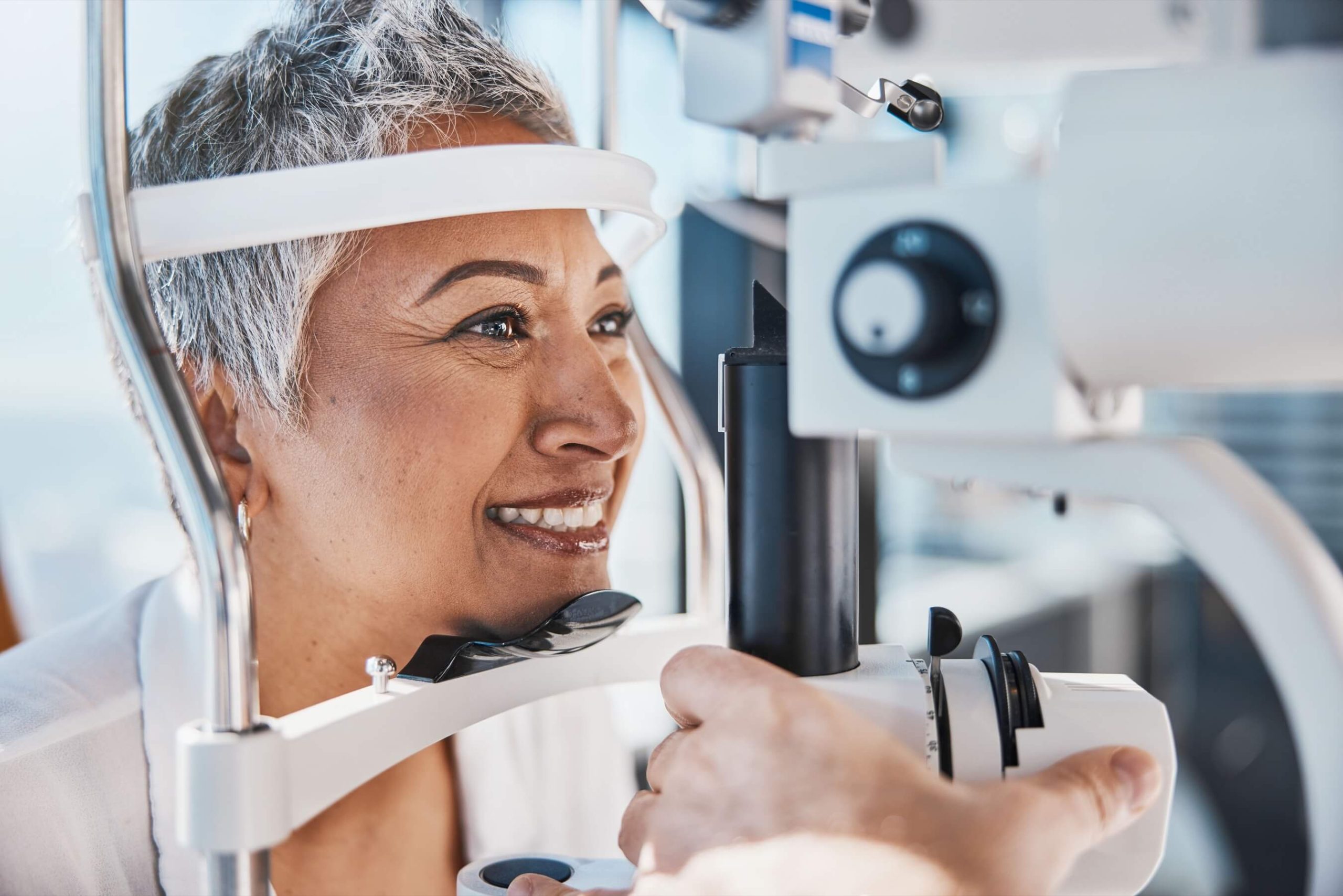
During a comprehensive eye exam, your pupils will be dilated with special drops. This will not hurt. Dilation enlarges your pupils to allow the eye doctor to evaluate the inside of your eye. Special instruments and lights are used to examine the internal structures of your eye, such as your retina and optic nerve, looking for irregularities like swelling or leaking.
The effects of dilation last several hours and can make your eyes slightly sensitive to light. It is a good idea to have someone drive you home and to bring sunglasses to wear on the ride home.
Why do patients trust the team at Access Eye?
The ophthalmologists and optometrists at Access Eye have over 100 years of combined experience delivering exceptional eye care. We are considered experts in evaluating your eyes and detecting abnormalities affecting your vision and ocular health. We want to be the best at what we do, and are always looking for ways to improve the eye exam experience for our patients.
When you trust the team at Access Eye, you can feel confident that we care deeply about your vision, ocular health and general well-being.
What is the difference between ODs and MD?
An Ophthalmologist (M.D.) is a licensed medical doctor and surgeon. Ophthalmologists perform eye surgery (e.g., cataract removal, LASIK), treat eye diseases and disorders both clinically and surgically, perform laser treatments, medication management and consultation/integration into other branches of medicine.
An optometrist (O.D) is a licensed Doctor of Optometry. Optometrists primary focus is routine vision care and clinical disease management. They work hand in hand with our Ophthalmologists to ensure comprehensive eyecare. Optometrists perform routine eye exams, prescribe, and fit eyeglasses and contact lenses, and help maintain your general eye health.