 The Elevate Experience


Your eye's natural lens, clouded by time.
A cataract forms when the natural lens inside your eye becomes cloudy and yellowed, gradually clouding your vision. It develops slowly — often over years — so most people don’t notice until it starts affecting daily life.
Cataract surgery is elective. Only you, with your doctor’s guidance, can decide when the impact on your quality of life is worth addressing — but the likelihood of recovering clear, natural vision is exceedingly high.
See lens implant options
Fredericksburg's first & only office-based suite.
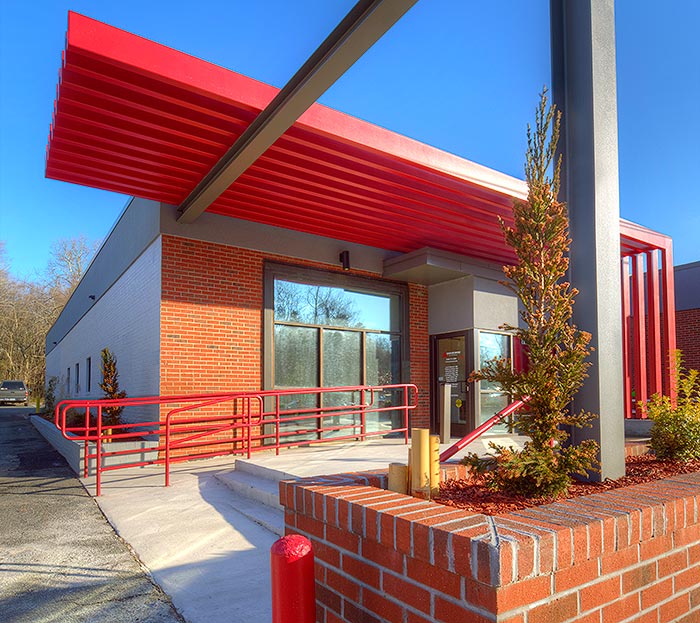
Your cataract surgery can take place in Elevate — a private suite with its own entrance. Not a hospital. Not a surgery center. Same clinical precision, in a boutique setting built around your comfort.
- Office-based cataract surgery — Fredericksburg's first & only
- Bladeless technique, premium lens options
- A private suite, not a hospital or surgery center
Surgery day, step by step.
Consultation & Planning
Your surgeon confirms cataract surgery is right for you and walks through lens implant options together.
Same-Day Outpatient
About three hours at our surgery center — though the procedure itself takes roughly 15 minutes.
One Eye at a Time
If both eyes need treatment, we schedule two separate dates so each eye heals on its own timeline.
Rapid Recovery
Most patients notice clearer vision almost immediately, with healing completing over the following weeks.
Every cataract surgery includes a new lens. Here's how to choose.
Monofocal
Restores vision at one distance — near or far. The most common choice, and the option Medicare and most private insurance cover at roughly 80%.
Toric
Corrects astigmatism at the same time as the cataract, for noticeably sharper vision at one distance. A one-time upgrade cost.
Multifocal
Restores both distance and near vision. Many patients never need glasses again for daily activities. Additional cost for this technology.
Common questions, answered.
At what age do cataracts become a problem?
While most patients don’t notice symptoms until after 60, cataracts can develop at any age, even in newborns. It can take years, even decades, to progress far enough to impair vision — regular comprehensive eye exams are the best way to catch them early.
How many times do I need cataract surgery?
Cataracts can only develop on a natural lens, so an eye that’s had cataract surgery is immune from the problem afterward. The only patients who have it twice are those returning to treat the second eye.
Will I need glasses after cataract surgery?
It depends primarily on which lens implant you choose. If you have an existing prescription, certain IOLs (like toric or multifocal) can correct refractive errors to limit your dependency on eyewear — worth discussing with your ophthalmologist ahead of surgery.
Is the recovery difficult?
Most patients find both the surgery and recovery relatively easy — pressure rather than pain during the procedure. Recovery can last a few days to a few weeks depending on the health of your eyes, with vision improving almost immediately and continuing to sharpen as healing completes.
Do I need surgery if I have cataracts?
Cataracts progressively worsen over time. While the cloudiness may feel tolerable now, vision can eventually decline to the point where driving, reading, or seeing at night becomes difficult. It’s your decision whether to address it now or later.
Can I drive myself home afterward?
No — your eyes won’t be at full capacity right after surgery, and the mild sedative used during the procedure needs to fully leave your system first. A friend or family member will need to bring you and take you home.